JuKo TechGMBH

Architectural options

Integrated energy systems for industry & commerce – refrigeration, heat and ventilation intelligently networked

From R290 compound systems to complex heat pump cascades – we engineer commercial HVAC solutions with central intelligence.

Refrigeration · Heat pump · Air conditioning · Ventilation · BMS – we are ending the era of isolated island solutions and creating highly efficient energy centres with manufacturer-independent automation, maximum operational reliability and measurable decarbonisation.

  • Siemens Solution Partner
  • Certified Schneider Electric Partner

What goes wrong in existing installations

Three symptoms we see every day

  • Conflict

    Systems that know nothing about each other

    In summer the refrigeration plant heats the machine room and the air conditioning cools it down again. The ventilation runs when nobody is in the room. Three systems working against each other – because they are not coordinated.

  • Failure risk

    Maintenance by calendar rather than by demand

    Filters are changed because the date has come, not because they are full. Compressors keep running until they fail, because nobody notices the creeping drift in suction pressure. Downtime in the middle of the season.

  • Flying blind

    Data that nobody brings together

    One manufacturer’s VRF app, the next one’s refrigeration cloud, the ventilation controls somewhere else again. Four interfaces, four logins, no overall picture – and no basis for efficiency decisions.

What we do differently

One system instead of five island solutions

We plan refrigeration, heat pump, air conditioning, ventilation and building automation as a single system. With one data structure, one user interface and one energy logic. Manufacturer-neutral via open protocols (BACnet, Modbus, KNX), with predictive maintenance based on continuous condition data – and with an engineering process in accordance with VDI 2067 that calculates lifecycle costs before the investment, not after the first failure.

Five island solutions

  • Refrigeration plant – its own cloud
  • Heat pump – its own controller
  • Air conditioning – the manufacturer’s app
  • Ventilation – separate control panel
  • Lighting & access – not connected

One system

  • One data structure
  • One user interface
  • One energy logic
  • Manufacturer-neutral integration
  • Predictive maintenance
  • Lifecycle costs in accordance with VDI 2067

Refrigeration technology for industry & commerce – reliable, efficient, future-proof

Natural refrigerants, adaptive defrosting, HACCP-compliant documentation

Natural refrigerants – an honest comparison. We rely on natural refrigerants, but we do not recommend one across the board. Every project is assessed individually: propane (R290) with GWP 3 – perfect for most applications, with strict installation conditions in accordance with DIN EN 378. Brine/water-glycol circuits as a secondary system – low system pressure, suitable for deep freezing over long distances. CO₂ – only where it genuinely makes sense, high pressure and elaborate safety technology.

  • Propane (R290)

    GWP 3

    Perfect for most applications, with strict installation conditions in accordance with DIN EN 378.

  • Brine / water-glycol

    Secondary circuit

    Low system pressure, suitable for deep freezing over long distances.

  • CO₂

    R744

    Only where it genuinely makes sense, high pressure and elaborate safety technology.

What we do in concrete terms:

  • We measure the power consumption of the EC fans as an ice indicator – adaptive defrosting only starts when there is actually ice on the evaporator, not according to a calendar.

  • We learn the normal operating behaviour of your system via suction pressure, condensing temperature and compressor output – deviations are detected before a failure occurs.

  • We reduce the speed of the evaporator fans when a door is opened (infiltration protection) – less warm and humid air ingress, less ice build-up, less recooling capacity.

  • We document in an HACCP-compliant manner: temperatures of all refrigeration points at 1-minute intervals, stored audit-proof, report for the food safety authority at the touch of a button, alarm when a limit value is exceeded.

>> Detail:To the full refrigeration technology pageHACCP documentation

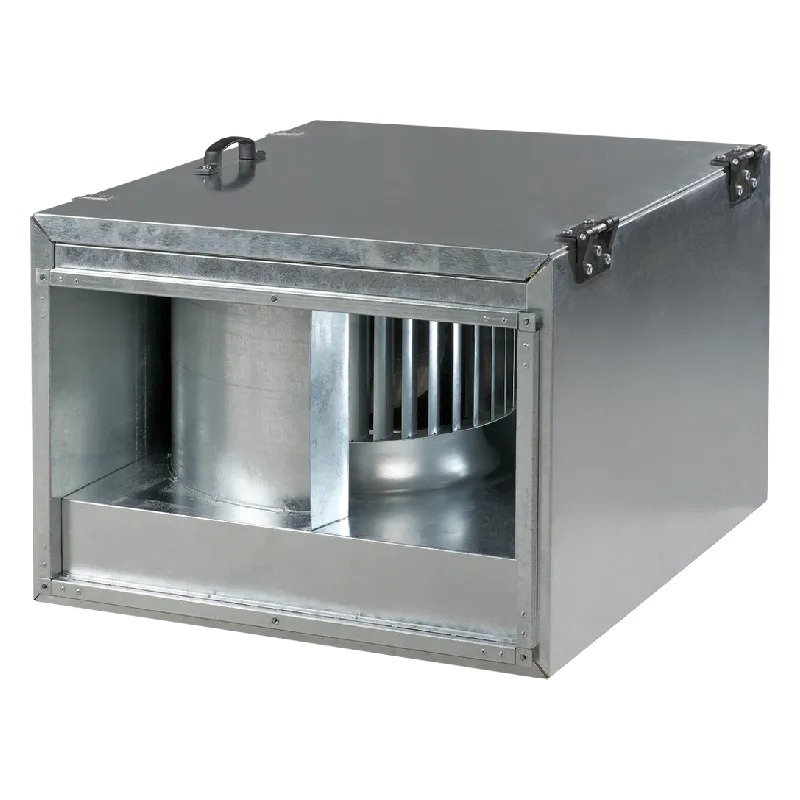
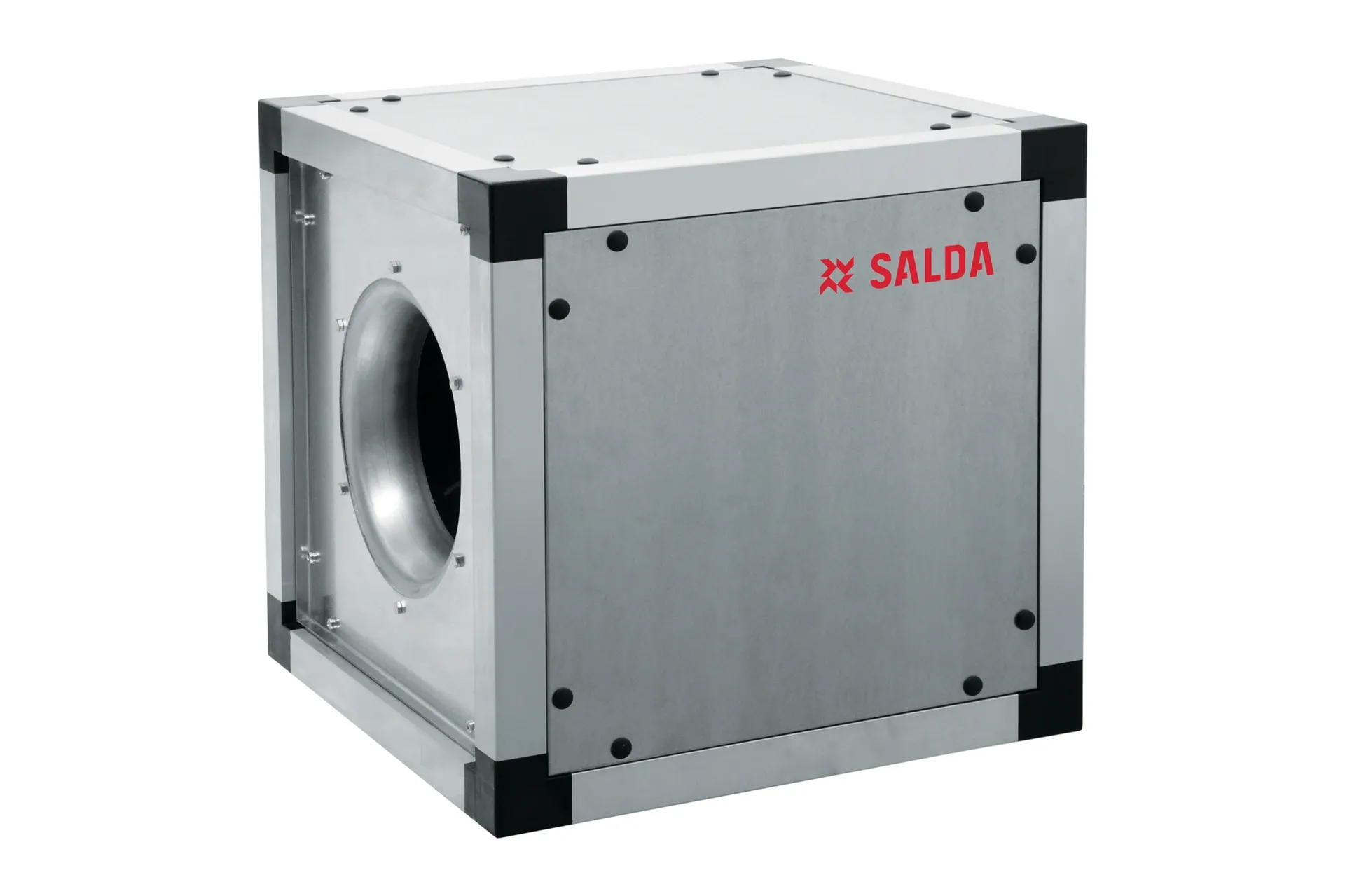
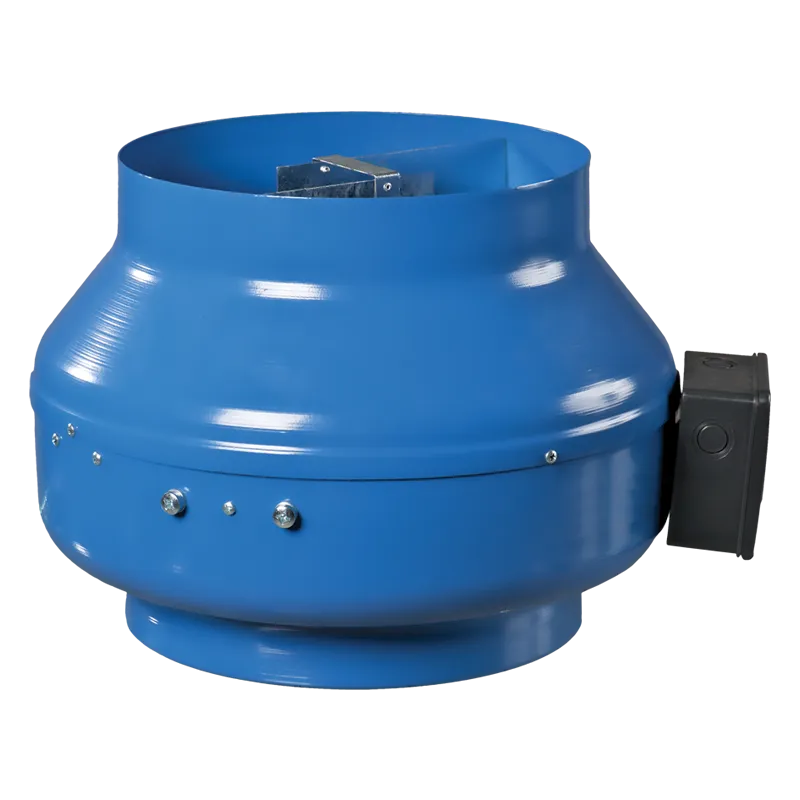
Inline duct fan for ventilation and refrigeration applications
HACCP monitoringREC
Cold room 1+3.8 °C
Cold room 2+4.1 °C
Freezer room−19.4 °C
Retail refrigeration+6.2 °C

Recording at 1-minute intervals · stored audit-proof

Flow / return

  • Radiators75/55 °C

    High compressor lift

  • Underfloor heating40/30 °C

    Low temperature

  • Fan coils35/25 °C

    Heating + cooling

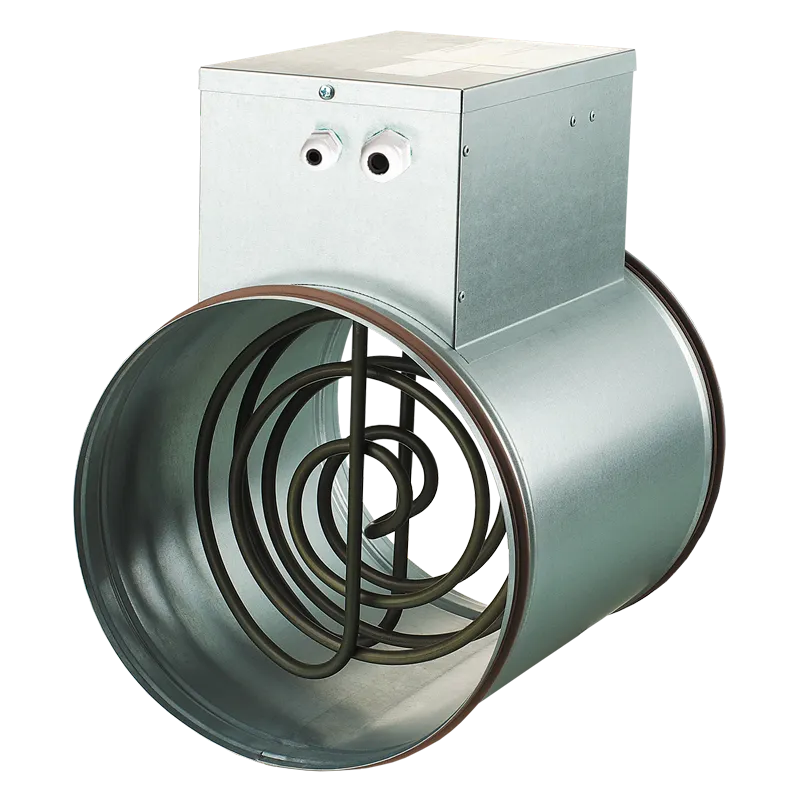
Duct heater battery for low-temperature systems

Heat pumps & energy systems – not on their own, but integrated

Heating and cooling with one system – fully embedded in the BMS

A heat pump on its own is not a system. Its own control system does not know whether the sun is shining, whether there is a PV surplus, whether another heat generator is running, whether the ventilation is currently supplying cool outside air. We integrate the heat pump into the central building automation and set the operating mode so that the system works at the economic optimum under every load condition.

Low-temperature hydraulics as an efficiency lever. Heat pumps achieve their highest COP values* at low flow temperatures. Radiators at 75/55 °C force the heat pump into high compressor work; fan coils at 35/25 °C or underfloor heating at 40/30 °C deliver the same comfort with significantly better efficiency. Don’t worry: dew point monitoring in cooling mode is automatically active in the BMS – water in the building is ruled out, regardless of your settings.

PV coupling and load shifting. With self-consumption optimisation, the heat pump runs primarily when the PV system is supplying electricity – the thermal inertia of storage tanks and building mass permits a time shift of a few hours without loss of comfort. Condition: the system must be able to think as a system, not as an isolated individual unit.

Radiators 75/55: high compressor lift, low COP* – that was yesterday. With fan coils (35/25) you achieve significantly higher COP values – and cool in summer without a separate air conditioning system. The architectural decision determines efficiency, not the data sheet of the individual heat pump.

>> Detail:To the heat pump page

Air conditioning & ventilation – intelligently controlled, energy-efficient

VRF, ducted units, presence-controlled, CO₂-controlled, with heat recovery

VRF systems & ducted units. VRF systems with individual room temperature control, or ducted units for invisible air conditioning in the suspended ceiling. Heating and cooling with one system – with a three-pipe architecture even simultaneously on the north and south façade with internal heat transfer.

Presence-controlled climate. mmWave radar sensors also detect people sitting still – no false switch-off during concentrated work. When the room is empty, the air conditioning automatically switches to Eco mode. GDPR-compliant – no identity, no video.

CO₂-controlled ventilation. Ventilation systems react automatically to CO₂, humidity and VOC – in accordance with DIN EN 16798. Fresh air when needed – not according to a schedule. Heat recovery via rotary or plate heat exchangers with high efficiency in comparable reference systems*.

Waste heat utilisation. In supermarkets and production facilities, refrigeration waste heat can cover a considerable proportion of the annual heating demand – free of charge. Anyone who does not use this heat pays twice: once for the compressor, once for the heating.

Room data live

  • Meeting room northoccupied
    612CO₂ ppm

    Air rate: Stage 2

  • Open-plan southoccupied
    948CO₂ ppm

    Air rate: Stage 3

  • Training roomempty
    431CO₂ ppm

    Air rate: Eco

Control in accordance with DIN EN 16798

How do you connect refrigeration, heat and ventilation into one system – instead of five island solutions with five user interfaces?

With central building automation based on open protocols. BACnet/IP as the upper data bus, KNX as the field bus, Modbus TCP for air conditioning generators, DALI for lighting, OPC UA for ERP connections in industry. A mixed installed base from different manufacturers is brought into a uniform interface via gateways – over the service life of the systems you are not tied to a single supplier.

BACnet, Modbus, KNX – manufacturer-independent, for existing systems too

One system for all trades. We integrate all HVAC systems of a property into central building automation. The system knows and coordinates:

  • Weather forecasts (via the DWD API) – predictive adjustment of thermal storage capacity

  • Occupancy (via presence sensors) – air conditioning and ventilation only run when needed

  • Plant status (via BACnet/Modbus) – predictive maintenance and early warning of failures

  • Energy balance per trade – load curve analysis as a basis for optimisation measures

>> Detail:To the BMS pageOpen protocols

  • 01

    BACnet/IP

    Upper data bus

  • 02

    KNX

    Field bus sensors & room control

  • 03

    Modbus TCP

    Air conditioning generator systems

  • 04

    DALI

    Lighting bus

  • 05

    OPC UA

    ERP & MES connection

Building management system

All trades, one interface

  • Refrigeration

    In operation

  • Heat pump

    In operation

  • Air conditioning

    In operation

  • Ventilation

    Standby

  • Lighting

    In operation

  • PV

    In operation

  • Presence

    In operation

  • Weather (DWD)

    Standby

  • Energy monitoring

    In operation

DIN EN 15232 · Class A

Refrigeration, heat pump, air conditioning, ventilation, lighting, PV – everything in one interface. No side-by-side of isolated systems. One system, one data structure, one clear control – manufacturer-neutral via open protocols.

Open protocols as an engineering principle. BACnet/IP as the upper data bus, KNX as the field bus for sensors and room control, Modbus TCP for air conditioning generator systems, DALI as the lighting bus, OPC UA for ERP and MES connections in industry. These standards ensure that devices from different manufacturers work together in the same building – and that you are not tied to a single supplier over the service life of the systems.

Energy efficiency class A in accordance with DIN EN 15232. Well-considered building automation can measurably reduce thermal and electrical auxiliary energy demand compared with standard configurations. The specific saving depends on the initial situation and on the usage profile; we only make binding statements after a system analysis.

Architectural options

Our HVAC solutions at a glance

Tailor-made system architecture – individually or fully integrated. All trades can be implemented individually or integrated into central building automation. Not a side-by-side of isolated systems, but a coordinated overall system.

  • Industrial Refrigeration Technology & R290 Compound Systems

    Future-proof solutions with natural refrigerants. Propane compound sets (R290) in combination with brine buffer storage offer thermal inertia that is superior in many applications. Smart defrost via the EC fan power consumption. Infiltration protection via speed reduction when a door is opened.

    Applications:

    Walk-in cooling · freezer rooms · HACCP-compliant operations · compound system architecture · BACnet integration.

  • Demand-Oriented Ventilation Technology & Air Quality

    Commercial ventilation systems have to breathe, not just rotate. Sensors for CO₂, humidity and VOC adapt the air rate to actual occupancy. Highly efficient heat exchangers minimise ventilation heat losses. Differential-pressure-controlled filter monitoring in accordance with VDI 6022 instead of a fixed calendar.

    Applications:

    Heat recovery · CO₂ sensors · demand-controlled volume flow regulation (VAV) · industry & commerce.

  • Industrial Air Conditioning & Process Cooling

    VRF systems and chilled-water fan coils, seamlessly integrated into the building management system. For industrial operations we exploit synergy effects: waste heat from processes or refrigeration systems is converted into useful cooling or heating. Multi-zone solutions according to thermal load and usage concept.

    Applications:

    VRF systems · ducted units · fan coils · simultaneous heating and cooling (three-pipe).

  • Commercial Heat Pumps & Energy Synergy

    We regard cooling and heat as two sides of the same coin. Our systems use the waste heat from cooling processes to feed heating systems or provide hot water. PV optimisation via intelligent load shifting into the self-consumption window. Cascade technology for scalable output.

    Applications:

    High COP values* · PV coupling · waste heat utilisation · cascade technology for halls and office complexes.

Existing systems

Smart Retrofit – Intelligence for Existing Systems

Many mechanically sound systems operate inefficiently because the control system is outdated. We retrofit existing systems with modern sensors and gateways – without interrupting operation. Even a 20-year-old refrigeration system becomes BMS-capable as a result.

Connectivity: connection of old systems via BACnet or Modbus. Cost efficiency: significant increase in control quality with minimal investment – usually considerably cheaper than a complete replacement.

Existing system

  • Mechanically sound
  • Outdated control system
  • No data connection

BMS-capable

  • Modern sensors
  • Gateway BACnet / Modbus
  • Visible in the BMS
Existing unit retrofitted with sensors and a gateway

Industries

Industry solutions – different for each application context

Every industry places its own demands on HVAC architecture, safety and documentation. Six fields of application in which we regularly plan and integrate.

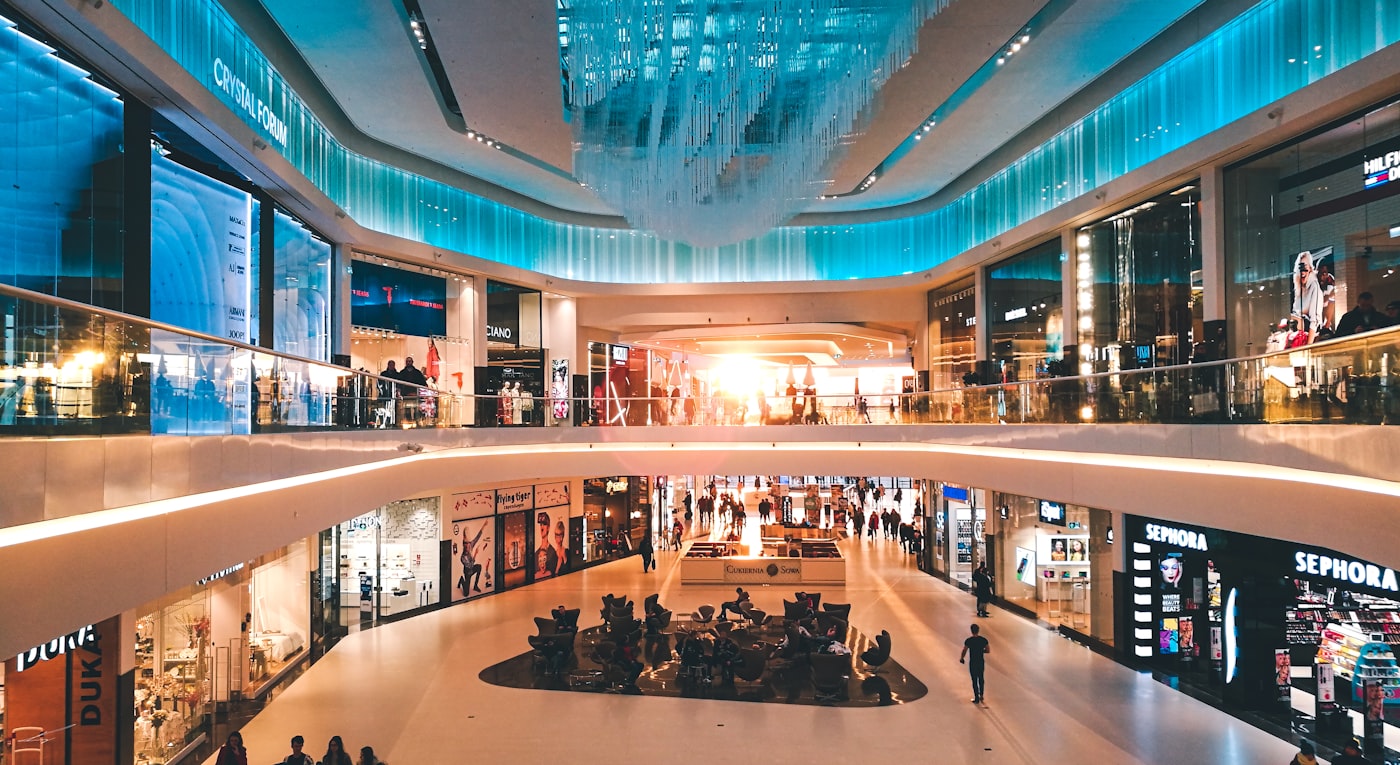
  • Supermarket
    Food Retail

    Supermarket

    Propane compound systems, waste heat utilisation for heating, automatic HACCP, predictive maintenance.

  • Hotel
    Hospitality

    Hotel

    VRF air conditioning, presence-controlled room climate, HACCP for the kitchen, BMS for everything in one interface.

  • Wholesale & Warehouse
    Logistics

    Wholesale & Warehouse

    Large compound systems, brine secondary circuit, adaptive defrosting, load management, multi-site BMS.

  • Restaurant & Gastronomy
    Gastronomy

    Restaurant & Gastronomy

    Custom-built cold rooms, automatic HACCP, quiet dining-room air conditioning, kitchen exhaust air with heat recovery.

  • Production & Industry
    Industry

    Production & Industry

    Process cooling, room cooling, waste heat utilisation, BMS integration into the production process.

  • Office Building
    Administration

    Office Building

    Presence-controlled climate, CO₂ ventilation, fan coils with heat pump, energy monitoring per tenant.

Approach

Our process: from consultation to 24/7 maintenance

Transparent steps towards your intelligent HVAC solution – with a clear allocation of tasks and traceable documentation in every phase.

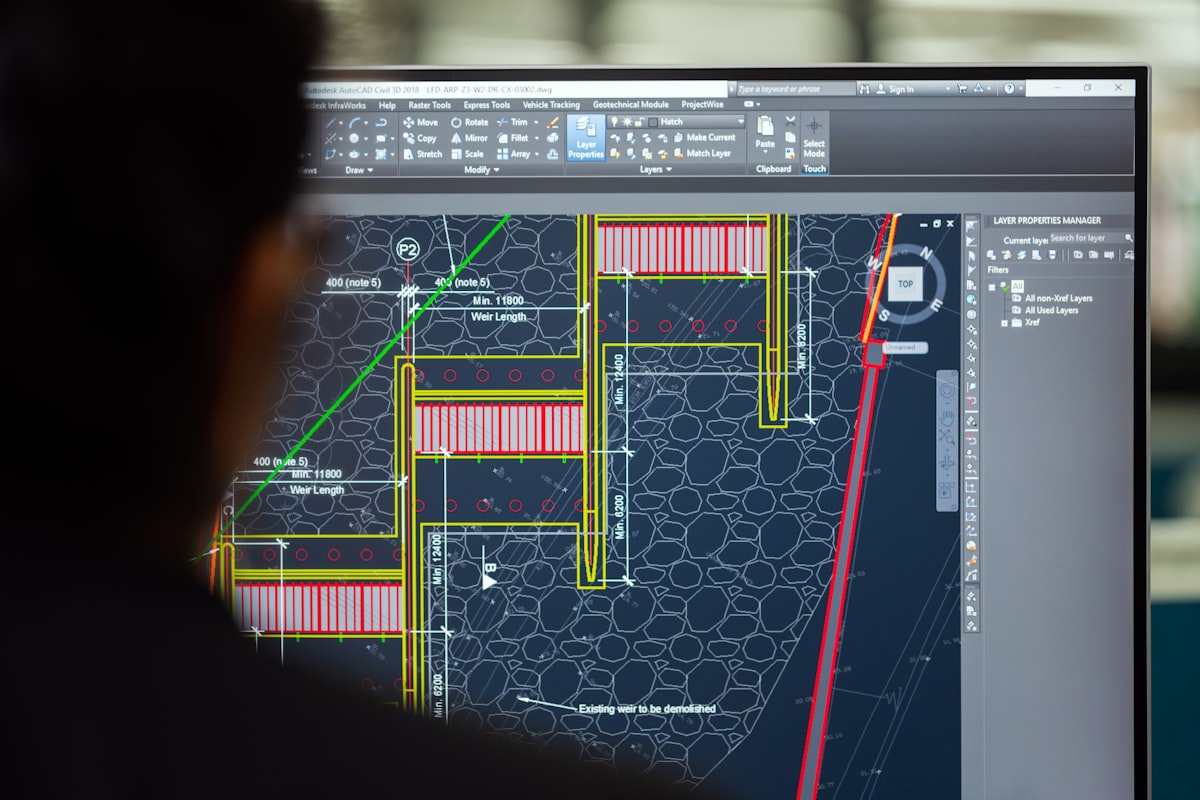
System design at the CAD workstation
Service technician on site
  1. 01

    Analysis & Energy Audit

    On-site inspection, recording of technical interfaces and identification of optimisation potential – free of charge and without obligation. With load curve analysis and documentation of the existing installation.

  2. 02

    System Design & Planning

    Manufacturer-independent design including an economic assessment in accordance with VDI 2067 and funding advice (KfW 295, BAFA). Dimensioning in accordance with DIN EN 378, DIN EN 16798 and VDI 6022.

  3. 03

    Implementation & Integration

    Professional installation and connection to the central BMS – with minimal interference in ongoing operations. For refurbishments of existing installations, phased conversion without complete downtimes.

  4. 04

    Commissioning & System Validation

    Fine adjustment of the controllers, preparation of the documentation (VDI 3814, HACCP where relevant) and training of your staff. Handover to operations only after documented validation.

  5. 05

    Continuous Lifecycle Service

    Predictive maintenance, energy monitoring, remote access. We look after your system on a permanent basis – across sites too, via the cloud platform. On-site deployments project-based, worldwide.

Frequently asked questions

Answers to the most important questions about commercial HVAC technology

Building automation (Building Management System) networks refrigeration, heat pump, air conditioning and ventilation into an overall system. This enables synergies such as using waste heat from the refrigeration system for heating, demand-controlled ventilation and transparent consumption data. The actual energy saving depends on the project and the usage profile.

Consultation

Ready for an intelligent HVAC solution?

Let us analyse together what your HVAC architecture could look like. On-site consultation and individual system analysis – without obligation.

  • We analyse your system on site with load curve recording – free of charge and without obligation

  • We calculate economic efficiency in accordance with VDI 2067 with documented assumptions

  • We make manufacturer-neutral recommendations – what suits the property, not the supply programme

  • We integrate refrigeration, heat, air conditioning, ventilation and lighting into one BMS interface

  • We check eligibility for funding under KfW 295 and BAFA and support the application

Call directly — Mon–Fri 8 a.m.–6 p.m.+49 (0) 162 4105959

Project inquiry

All fields marked * are mandatory.

Preferred contact method

* Notes on efficiency figures, ranges and manufacturer information

All ranges mentioned in this text for COP values of heat pumps, efficiencies of heat recovery, possible savings through adaptive defrosting, presence control or waste heat utilisation, as well as for load shifting potential, are empirical values from comparable reference systems and do not constitute a guarantee for a specific property. The values actually achievable depend on the building, the quality of the design, the usage profile, the occupancy structure, the existing hydraulics and the local climate. We only make binding statements after an on-site analysis, load curve recording over at least four weeks and a property-specific calculation in accordance with VDI 2067.

Manufacturer, brand and component names are deliberately not mentioned in the body text – JuKo Tech GmbH is not a contractual partner of individual refrigeration, heat pump, air conditioning, ventilation or sensor manufacturers. The selection of specific devices is made on a project-related and manufacturer-neutral basis, according to design, supply situation, service availability at the site and maintenance structure over the service life. On the engineering side, JuKo Tech GmbH is a Siemens Solution Partner and a certified Schneider Electric Partner; there is no contractual commitment to individual platform or component providers beyond this.

Statements on standards and guidelines (DIN EN 378 safety of refrigeration systems, DIN EN 16798 input parameters for indoor air quality, DIN EN 15232 energy efficiency classes for building automation, DIN EN ISO 7730 thermal comfort, VDI 6022 hygiene of air handling systems, VDI 2067 lifecycle costs, VDI 3814 building automation, Regulation (EU) 517/2014 on fluorinated greenhouse gases, German Buildings Energy Act GEG) and on open protocols (BACnet ISO 16484-5, KNX ISO/IEC 14543, Modbus, OPC UA IEC 62541, DALI IEC 62386) refer to the currently applicable version of these regulations and standards. A binding assessment in terms of safety, hygiene or data protection law in the specific application context is the responsibility of the operator and the respective competent authorities.

JuKo Tech GmbH does not offer services in the field of direct trading on dynamic electricity exchanges (such as EPEX Spot, day-ahead market) and does not offer balancing group management. Funding information (KfW, BAFA, BEG) is without guarantee; binding information on eligibility for funding is provided exclusively by the competent authorities and by an accredited energy efficiency expert. Unless otherwise stated, all prices are subject to the applicable statutory value added tax.

Design versionV1 · TechnicalV2 · Corporate